UAE’s Space42 supports driverless systems project
Aug 12, 2026



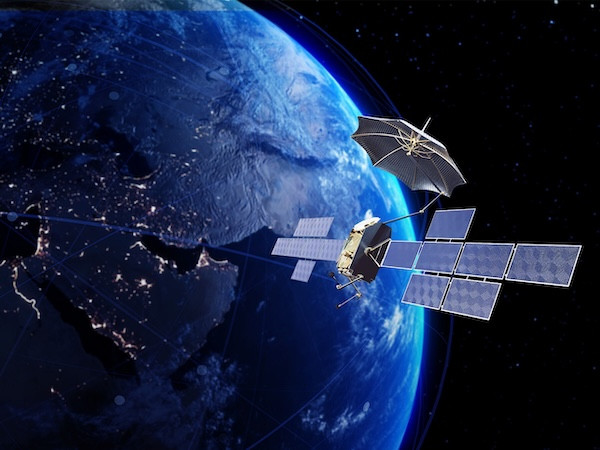
UAE-based satellite firm Space42 announced on Tuesday it has signed a Memorandum of Understanding (MoU) with Telkom Satelit Indonesia (Telkomsat) to explore ways to collaborate on direct-to-device (D2D) satellite connectivity.
Space42 said the partnership will leverage the Equatys D2D joint venture launched by Space42 and Viasat in September with the goal of developing a 3GPP-compliant non-terrestrial network (NTN) framework using over 100 MHz of harmonized global mobile satellite services (MSS) spectrum held by Equatys.
Under the MoU, Telkomsat and Space42 will explore potential areas to collaborate on NTN and D2D connectivity such as technical integration of terrestrial and satellite networks, regulatory and security compliance, R&D initiatives (including innovation labs, pilot programs and field trials) and future growth strategies within Telkomsat’s footprint as Equatys scales globally.
Telkomsat is the first telecoms player outside the UAE to partner with Equatys via Space42, which signed on telco group E& UAE as its first partner in October in a similar deal.
“By partnering with Telkomsat, we continue to expand our ecosystem and advance our shared vision of universal connectivity,” said Ali Al Hashemi, CEO of space services at Space42, in a statement.
“Satellite-based connectivity will remain a key element in the national network architecture, particularly to ensure reliable communications in remote areas as well as for the country’s strategic needs,” added Telkomsat CEO Lukman Hakim Abd Rauf.
Telkomsat has been reselling Starlink’s LEO satellite broadband service since mid-2024 just after its official service launch in Indonesia.
Starlink is also targeting the D2D satellite space with its own Direct 2 Cell (D2C) service, which has been commercially launched in a handful of countries, including Ukraine. Starlink’s service uses existing terrestrial mobile spectrum used by mobile operator partners, rather than MSS spectrum, which enables mobile users to access the service with their existing handset.





Company registered in England, number 5724661
All content copyright © 2005-2026 Developing Telecoms Ltd. All rights reserved.