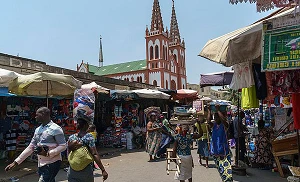

Gabon’s social media shutdown continues costly trend
- Details
- Category: Regulation
- 11894 views

Gabon has suspended access to major social media platforms, including Facebook, Instagram, TikTok, YouTube, and WhatsApp, as the government seeks to curb unrest sparked by an ongoing teachers’ strike.
The strike, which began in December 2025 over pay and working conditions, has reportedly spread across other public sectors, including healthcare, higher education and broadcasting.
ITWeb Africa says the High Authority for Communication (HAC), Gabon’s media regulator, announced the blackout this week, warning that the proliferation of what it called “inappropriate, defamatory, hateful and insulting content” threatened “social cohesion, the stability of the republic’s institutions, and national security”. It claimed to be targeting the spread of false information, cyberbullying and unauthorised disclosure of personal data.
Gabon is not alone on the African continent in restricting social media. Tanzania blocked platforms during an election last year, while Uganda shut down internet access earlier this year, again during an election.
While digital rights and civil liberties groups are worried about the effects on free expression and access to information of these actions, they also highlight the effect of such shutdowns on economic activity.
Indeed, local businesses are already feeling the impact. ITWeb Africa cites a Libreville restaurant owner telling the BBC that almost 40% of his customers discovered his services via social media, and the suspension would hurt his revenue.
The economic cost of such shutdowns is the theme of a new report from Top10VPN, an independent VPN review website. Its Cost of Internet Shutdowns report says global losses from intentional shutdowns in 2025 surged to US$19.7 billion, a 156% increase compared with 2024.
Tanzania, the highest-ranked African country, faced nearly 7,000 hours of shutdowns in 2025, translating into losses of approximately US$889.8 million and affecting over 20 million internet users.
Other African nations affected included the Democratic Reublic of Congo, Sudan, Togo, Cameroon, South Sudan, Guinea-Bissau and Kenya.
Ahead of Tanzania are Pakistan, Myanmar, Venezuela and, topping the list, Russia, whose wave of internet disruptions in 2025 is described as “unprecedented in both scale and technical sophistication, making it the single largest contributor to global economic losses”.
More Articles you may be Interested in...




Will Kenya tax mobile money transactions?

EAC to discuss ways to advance regional roaming


MTN Group towers could become an AI inference grid