
Nvidia invests $1bn in Nokia to power AI-native 5G and 6G networks
- Details
- Category: Vendors
- 19331 views
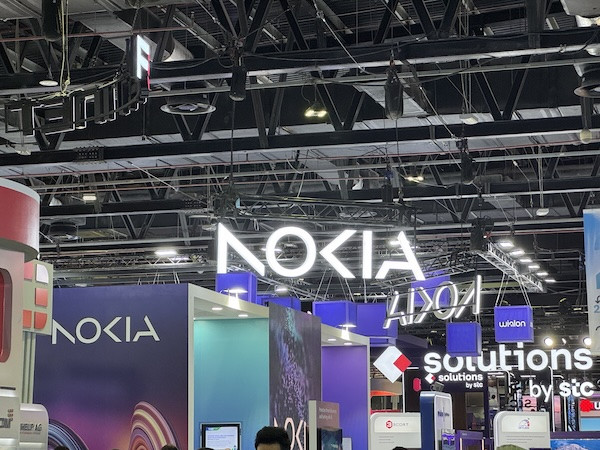
Nvidia has committed US$1 billion to Nokia and will integrate its AI technology into the Finnish vendor’s radio access network (RAN) portfolio, in a move designed to embed artificial intelligence directly into network infrastructure.
In a joint statement, the companies said the partnership will enable Nokia’s operator customers to launch AI-native 5G-Advanced and 6G networks using Nvidia’s platforms. Citing research from Omdia, they noted that the AI-RAN market is expected to exceed a cumulative US$200 billion by 2030, underscoring the scale of the emerging opportunity.
Nvidia and Nokia described their collaboration as laying the groundwork for a new phase of telecom innovation, allowing operators to run AI decision-making processes locally across network sites rather than relying on centralised data centres. This distributed approach is expected to support latency-sensitive applications such as drones, autonomous vehicles, and extended-reality services.
US operator T-Mobile will join the initiative as an early trial partner, testing AI-RAN technologies from 2026 as part of its 6G research and development programme.
Nvidia CEO Jensen Huang said telecommunications networks are “the digital nervous system of our economy and security”, adding that AI-driven RAN architectures could mark a “generational platform shift” and help the US re-establish leadership in advanced network infrastructure.
Nokia president and CEO Justin Hotard said the transition from 5G to 6G represents more than a generational upgrade: “It’s a fundamental redesign of the network to deliver AI-powered connectivity, capable of processing intelligence from the data centre all the way to the edge.”
ABI Research principal analyst Leo Gergs said Nokia will have a new generation of Nokia gear that is “designed for automated, self-optimizing, and inference-driven operation.”
“For Nokia, this evolution strengthens its position in software-defined and cloud-native radio architectures alongside Ericsson, Samsung Networks, and ZTE Corporation, all pursuing AI-enhanced RAN strategies”, said Gergs.

More Articles you may be Interested in...