

Moving the Power to the People
- Details
- Category: Consumer Ecosystems
- 9631 views

The growing uptake of smartphones and new social networking approaches to handling voicemail and SMS could help MNOs complete more calls and boost ARPUs, says Einar Lindquist, CEO of Teligent Telecom, in this bylined article...
The growing uptake of smartphones and new social networking approaches to handling voicemail and SMS could help MNOs complete more calls and boost ARPUs, says Einar Lindquist, CEO of Teligent Telecom.
When does a mobile stop being a phone? It’s arguable that this happened at the end of 2009, when handset manufacturer Ericsson announced that mobile data traffic had for the first time exceeded voice traffic worldwide in Terabyte terms. These figures were based on traffic from an estimated 400 million smartphone users, against the voice calls made by the 4.5 billion mobile subscribers worldwide.
Although this global picture is considerably different from that in developing markets such as Africa, where around 95% of people don’t have a data connection and mobile data revenues excluding SMS are typically under 2%, smartphone take-up and usage is still growing fast in these markets.
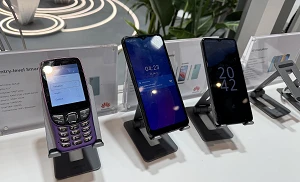
In some African countries, smartphone sales represent over 50% of all mobiles sold, which means more touchscreen-driven menus and similar high-end features spreading into the mass market.
So although mobile data services are yet to take off, the commoditisation of phone technology means there’s already a substantial user base with handsets that are ready to take advantage of these new features.
This in turn gives operators an unexpected opportunity to boost their revenues from their core business of voice and telephony-based messaging services – a welcome bonus in the current climate of intense price competition from operators seeking market share. Let’s take a closer look at how this revenue boost can be achieved.
Getting the message
One of the biggest issues for any operator is to grow the number of calls they can actually charge for, which means cutting the number of uncompleted calls where, for example, a called party's line is busy or unavailable, or the caller hangs up before the call is answered, or the person being called chooses not to answer. We estimate that up to 70% of all calls on a mobile network are not billable.
While voicemail services can address this, a traditional, static, answering-machine service may not significantly increase call completion rates. However, more flexible, personalised and intelligent voice messaging services that take advantage of the ergonomics of smartphones, can drive up the ratio of billable calls. Each percentage point increase in completion rate makes a big difference to the operator's bottom line.
Users on top
The enhanced capabilities of newer handsets mean that voice handling can be taken out of its ‘key-pad and speaker’ legacy environment, and evolved into a more attractive, more flexible and more interactive messaging service, with an interactive GUI front-end.
This approach to voice traffic would put the user in charge of his messaging ecosystem – enabling them to manage voicemails, mailbox preferences, missed call alerts and so on, in a simple, intuitive and ergonomic way, instead of having to remember voicemail service option numbers. This in turn would boost revenues by enabling more calls to completed and boosting SMS message volumes.
Smooth operators
How do MNOs go about achieving this? The first stage is by offering smartphone users an ergonomic app for their handsets, giving an easy way to manipulate their voice calls, availability status and message alert set-ups.
For example, the app would enable users to set-up a variety of call-handling scenarios with relevant voice messages, such as “in a meeting”, “out of office”, “do not disturb” and manage their ‘presence’ status from the touchscreen. This type of functionality is already growing in familiarity thanks in popular apps such as the Skype client, and would help to drive voicemail usage and discourage slamdowns – increasing the number of completed calls on networks, and boosting revenues.
Combined with a flexible, integrated messaging service platform, that can support such extensive personalisation and intelligent routing capabilities, this approach gives users easy management of their phone presence.
As well as increasing the amount of billable traffic on your network, you get subscribers more involved in personalising their messaging services, adding value to their experience. This makes for stickier services, which in turn means you’ll experience less subscriber churn.
The bottom line
Is it possible to convert these subscriber benefits into figures that illustrate the potential revenue increase? I believe it is. Let’s assume you have a million subscribers, and a call completion rate of 50%. If you can get an extra 5% of your subscribers to start using touchscreen message-management apps and customisable voicemail greetings, this would mean three extra calls completed per week, per subscriber. At 10 cents for a one-minute call, the recurring monthly revenue would be 60,000 dollars.
That’s a healthy revenue boost for simply giving subscribers the ability to manage their messages in a more flexible, intuitive way than traditional voicemail box options.
Traditional voice and messaging services will make the lion’s share of operator revenues for many years to come – and you can start to maximise those revenues and fight off margin erosion now, by taking advantage of the move to smartphones. All you have to do is put the power to make the most of those services in the hands of subscribers.
More info:
More Articles you may be Interested in...

IQSTEL plans to acquire 51% of Ghana’s Ultranet



Google to partner Kenyan Tourism ministry




Will Kenya tax mobile money transactions?

EAC to discuss ways to advance regional roaming




MTN Group towers could become an AI inference grid