QoS in Chad: Airtel under pressure – again
Jun 30, 2026


Zimbabwe plans to introduce what it calls a 15% Digital Services Withholding Tax from January 2026. The new levy will apply to a wide range of services supplied by foreign companies with no physical presence in Zimbabwe.
The new Digital Services Withholding Tax (DSWT), targets payments made to foreign digital service providers. It will take effect from 1 January 2026.
The government claims that the aim of the tax is to enhance revenue mobilisation and create a more equitable tax environment for local businesses, not to mention ensure fair competition. Local service providers are currently subject to full domestic taxation, while foreign platforms benefit from what could be seen as an uneven playing field.
As for which companies will be affected, TechAfrica News suggests that the tax will most likely hit major global platforms such as Netflix, Spotify, and Amazon Prime, digital content subscriptions, satellite internet providers, and ride-hailing applications.
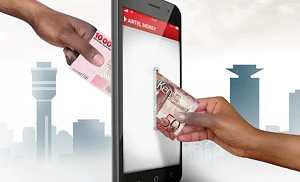
The tax will be collected at the point of transaction, with local financial institutions – including banks and mobile-money operators – acting as paying agents responsible for withholding the 15% tax before funds are transferred abroad.
It appears that the DSWT effectively replaces the traditional value added tax (VAT) on imported digital services. The measure is described as necessary due to the rapid digitisation of the economy, which has led to increased consumption of online services supplied by foreign companies that previously escaped taxation.
As TechAfrica News points out, Zimbabwe’s move aligns with a growing international trend, with similar policies adopted in African countries including Nigeria, Kenya, Uganda, Tanzania and Sierra Leone.
But how will it affect consumers? Will users of foreign platforms absorb the tax – or will they pass it on to consumers through higher subscription fees, fares, or commissions?
And some services (like Starlink) may already charge VAT. Could that mean double taxation? Additionally, there is a risk that some consumers may use foreign bank cards to bypass the tax.







Company registered in England, number 5724661
All content copyright © 2005-2026 Developing Telecoms Ltd. All rights reserved.