
AWS announces water recovery plans for Mexico
- Details
- Category: Energy & Sustainability
- 12067 views
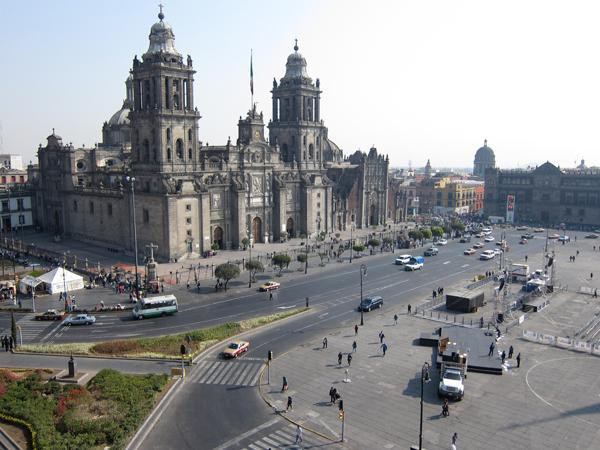
We’ve been reporting recently on a less than favourable effect of data centre development in Mexico recently: the massive use of water by data centres in areas already suffering shortages.
Now, according to a number of Latin American press outlets, Amazon Web Services (AWS), which has a strong presence in the country, has announced a number of water recovery projects in Mexico.
The aim is to return more than 2.5 billion litres of water a year to communities in Mexico City, Queretaro and Monterrey through projects with local partners, projects that apparently also involve a measure of public-private collaboration.
AWS is clear about the urgent need for these efforts. Shannon Kellogg, Vice President of Public Policies, is widely quoted as saying that Mexico faces serious challenges in water management, giving the example of an estimated loss of 40% of water due to infrastructure inefficiencies in Mexico City.
The initiative apparently uses AWS technology to detect hidden leaks in old pipes and manage water pressure more effectively. In Mexico City and Monterrey, Amazon has partnered with Xylem, a specialist in water technology, to implement pressure management systems to identify and reduce areas of excessive pressure, preventing leaks and making water supply more reliable.
In Queretaro, where AWS recently announced a new Region, the company has collaborated with hydraulic systems specialist Aquestia to install specialised valves and controllers in 11 areas. This technology allows an immediate saving of water by reducing pressure in areas where it is not necessary, thus minimising losses in the existing pipe infrastructure.
Plans are also in place targeting the automation, updating and improved efficiency of water distribution systems
This initiative is described as part of Amazon's broader commitment to achieve a positive impact on water by 2030. Mexico's projects are among more than 30 water replenishment initiatives that Amazon has announced worldwide.
Of course data centre development, a major user of water, is unlikely to slow down. Queretaro in particular has attracted a lot of investment in this area due to being less earthquake-prone than many regions. Nor is AWS the only investor.
While built-in efficiencies and recycled water supply schemes may limit water use, it is part and parcel of data centre growth. If, therefore, water recovery projects could be helpful, will other companies follow AWS’s example to mitigate the effect of their data centre developments?

More Articles you may be Interested in...


AT&T Mexico sale finally agreed

PDG sells Indonesian enterprise data centre business






CtrlS taps Ciena to upgrade metro optical networks


Submer and Intel collaborate on AI in MEA


US agency to invest $155 million in WIOCC